
(PNTD) – On the evening of December 19, at Thong Nhat Park, the Hanoi Food and Culture Festival 2025, themed “Hanoi – A Culinary Journey of Creative Connection,” officially opened. The festival is an annual cultural event organized under the direction of the Hanoi People’s Committee, with the Hanoi Department of Culture and Sports as the lead agency, in coordination with relevant units. The event aims to honor the values of traditional culinary heritage while promoting the image of Hanoi as a creative, elegant, and culturally rich capital city.
Speaking at the opening ceremony, Le Thi Anh Mai, Deputy Director of the Hanoi Department of Culture and Sports, emphasized that since 2022, the Hanoi Party Committee has issued Resolution No. 09-NQ/TU on developing the cultural industry in the Capital. In this resolution, cuisine is identified as a key sector for transforming heritage into “assets” and a sustainable driving force for the development of the cultural industry. Today’s festival, she noted, is vivid evidence of that sound policy direction.
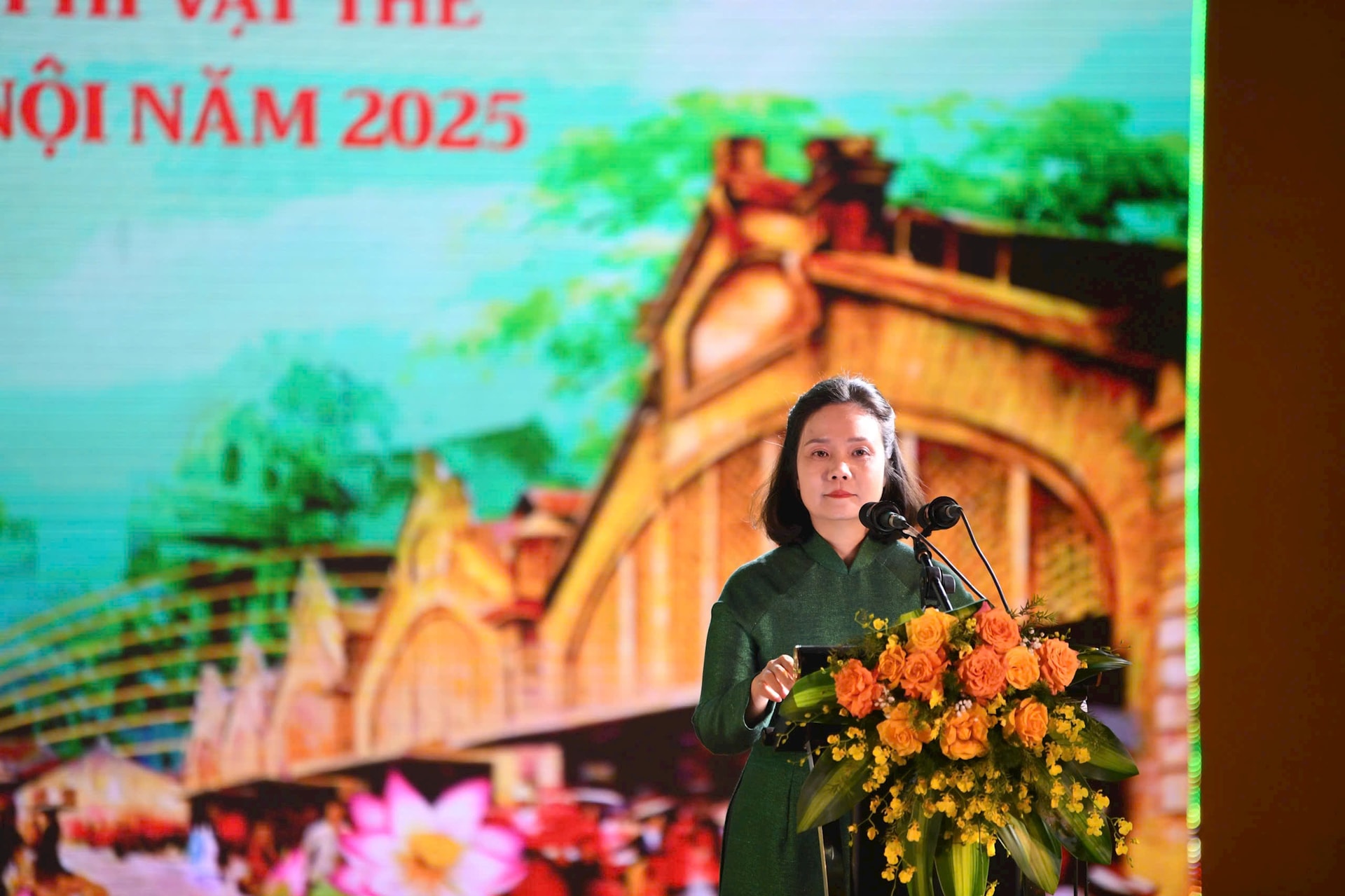
Deputy Director of the Hanoi Department of Culture and Sports Le Thi Anh Mai delivering remarks at the opening ceremony.
From the traditional 36 streets of Hanoi to the expanded administrative boundaries of today, with the convergence and crystallization of Xu Doai culture and many regional traditions, Hanoi cuisine has become increasingly rich and diverse, both refined and standardized, yet highly creative. Hundreds of intangible cultural heritage elements related to cuisine have been identified and included in the city’s inventory. Among them, seven have been inscribed on the national list of intangible cultural heritage: Hanoi Pho, Me Tri green rice (com) making, Quang An lotus tea infusion, Phu Thuong sticky rice making, Thanh Tri steamed rice rolls, and the culinary knowledge of Bat Trang ceremonial feasts.
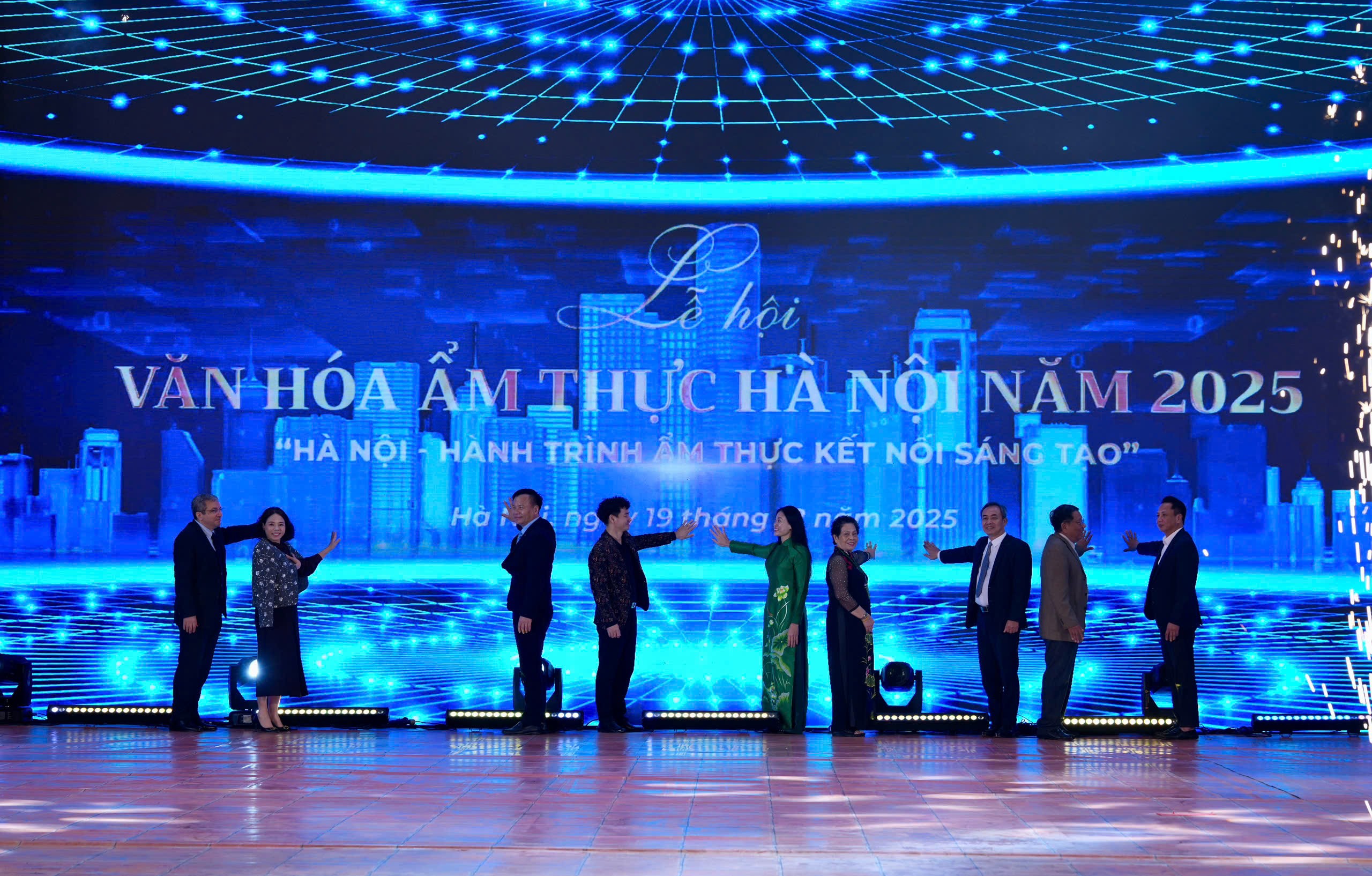
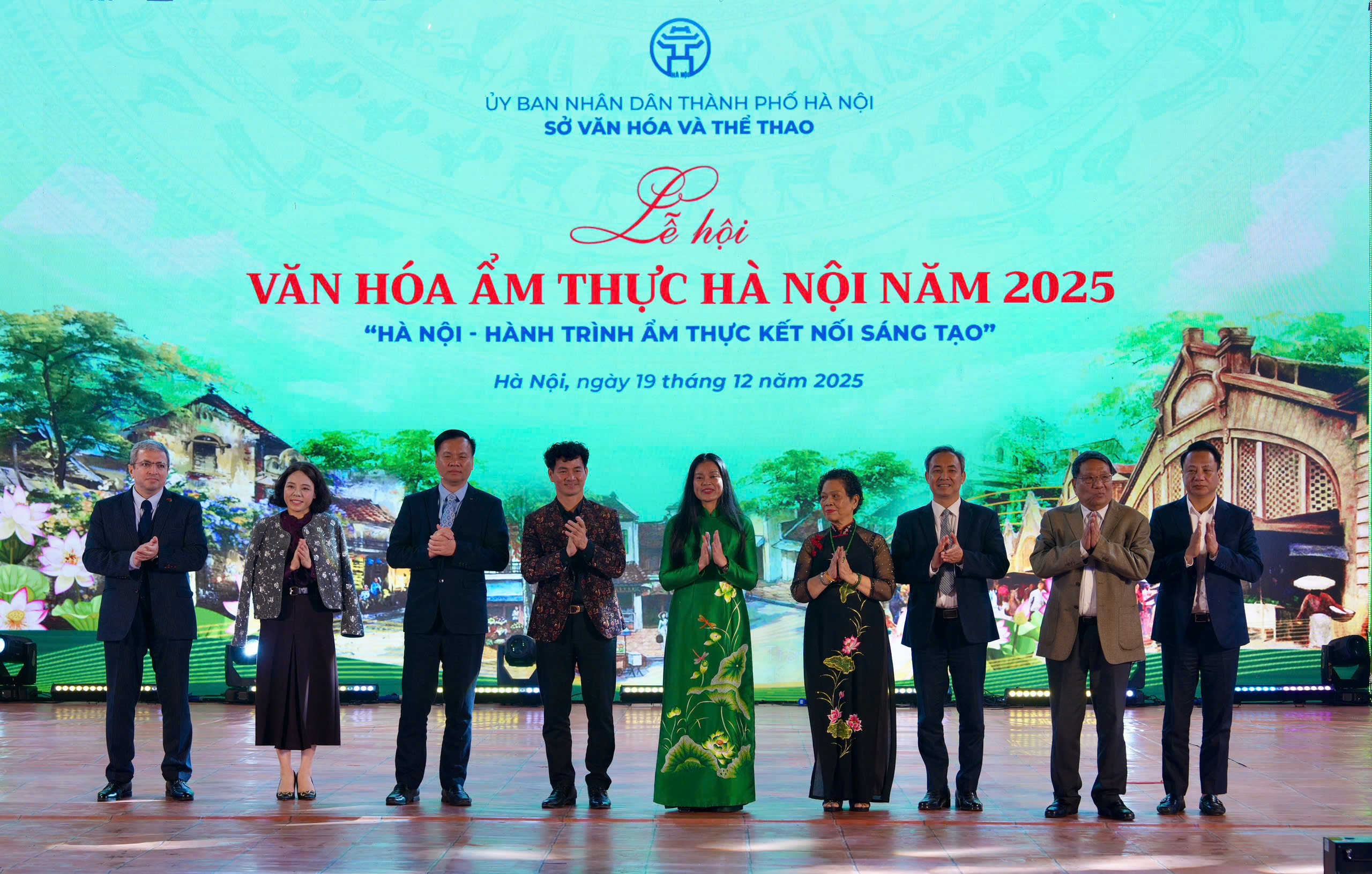
Opening ceremony of the Hanoi Food and Culture Festival 2025.
Notably, at the opening ceremony, the culinary knowledge of preparing and enjoying Cha Ca La Vong was officially inscribed on the national list of intangible cultural heritage. The heritage’s creative custodians are the Doan family, based at No. 14 Hang Son Street (now No. 14 Cha Ca Street, Hoan Kiem Ward), who have continuously practiced and preserved the traditional Cha Ca recipe through six generations, playing a central role in safeguarding the dish’s authenticity and core values.
Over time, the culinary knowledge of Cha Ca La Vong has become an iconic symbol of Hanoi’s gastronomic culture. To date, there are 22 Cha Ca restaurants contributing to the dissemination of this culinary specialty, including Cha Ca Thang Long, Cha Ca Hang Son, Vua Cha Ca, Cha Ca Anh Vu, Cha Ca Phan, Lao Ngu Cha Ca, and others.
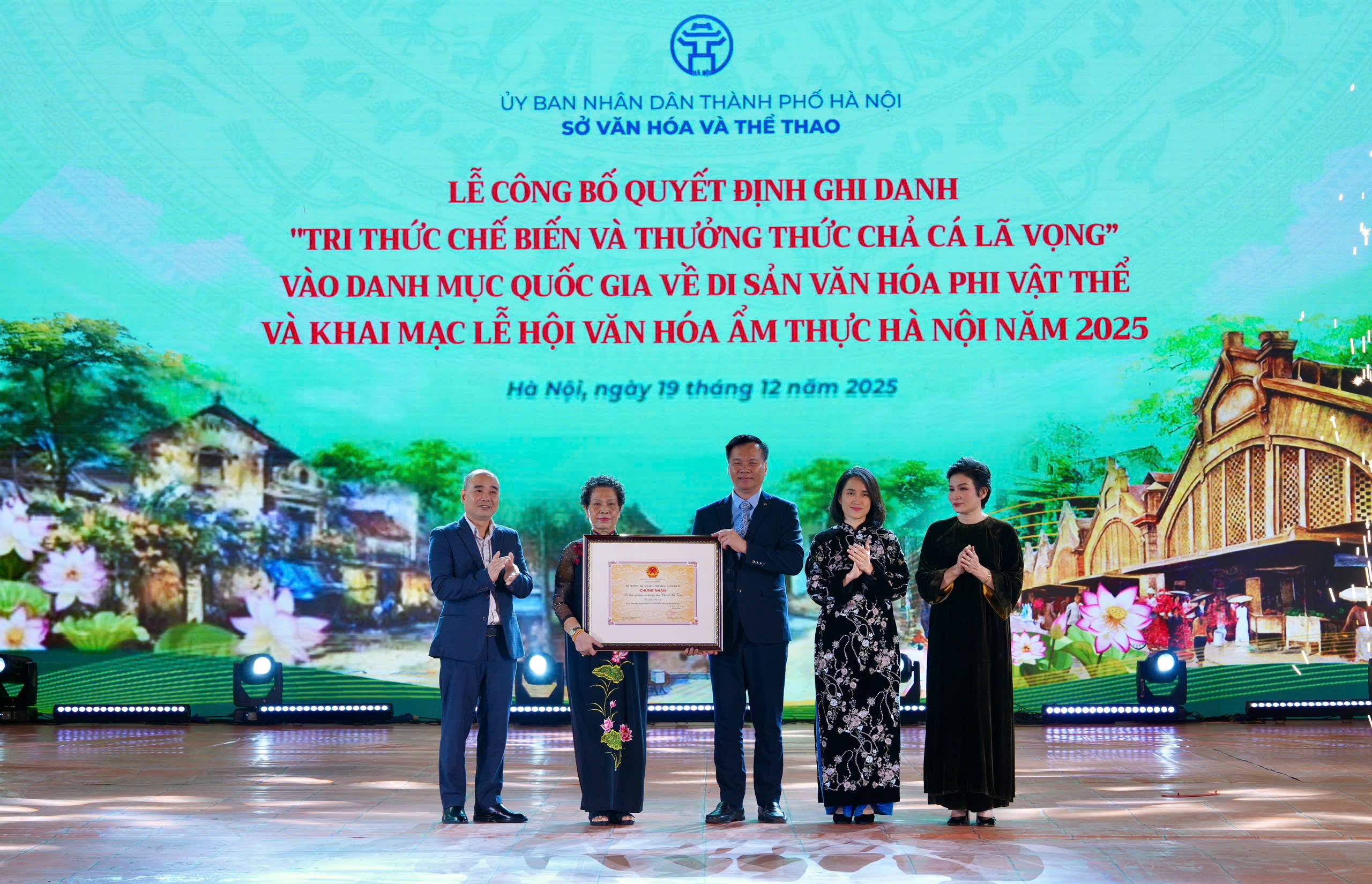
The Organizing Committee announces the decision recognizing the culinary knowledge of preparing and enjoying Cha Ca La Vong as national intangible cultural heritage.
Acecook Vietnam is the official partner supporting the preservation and promotion of Pho heritage and the development of Hanoi’s cultural industry.
The inscription of this intangible cultural heritage not only honors its historical, cultural, and scientific values but also establishes a legal framework and mobilizes social resources to ensure the heritage is transmitted, disseminated, and adapted to contemporary life. Traditional cuisine is thereby promoted and publicized, contributing to community livelihoods, shaping distinctive cultural-tourism products, and sustainably advancing the cultural industry.
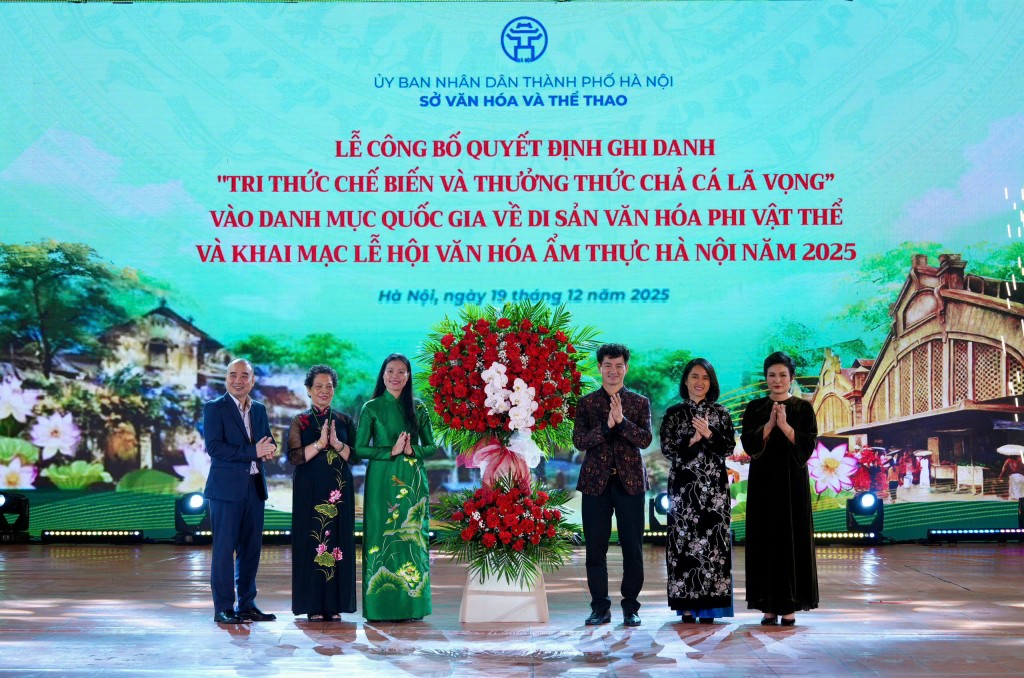
Nguyen Xuan Bac, Director of the Performing Arts Department (Ministry of Culture, Sports and Tourism), and Bach Lien Huong, Director of the Hanoi Department of Culture and Sports, congratulate the official recognition of the culinary knowledge of Cha Ca La Vong as national intangible cultural heritage.
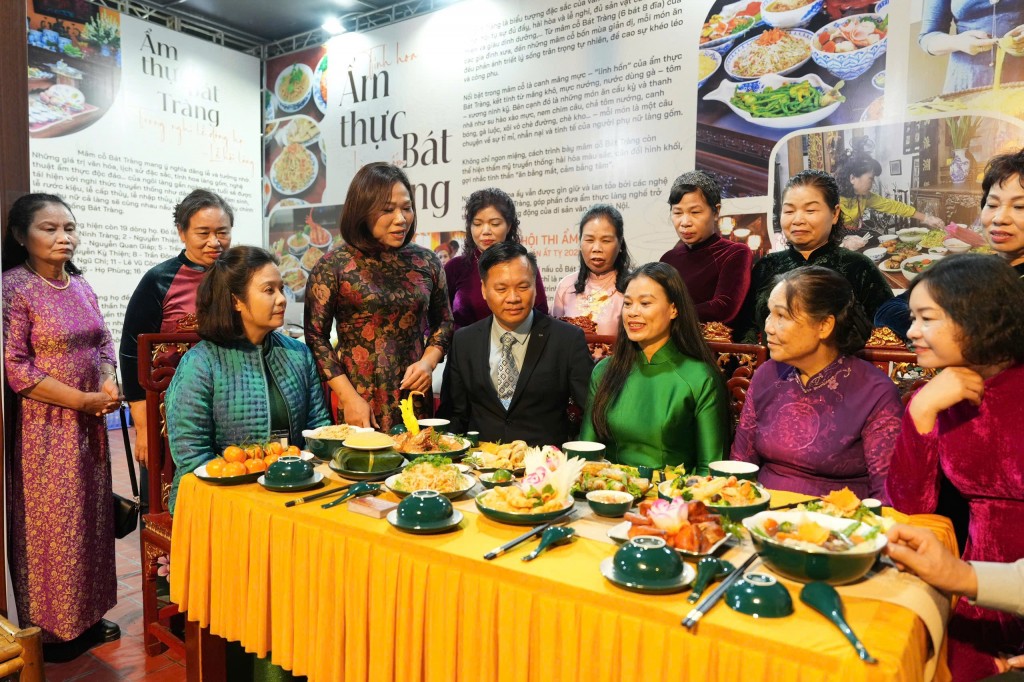
Director Bach Lien Huong and delegates visit booths at the Hanoi Food and Culture Festival 2025.
This year’s Hanoi Food and Culture Festival, under the theme “Hanoi – A Culinary Journey of Creative Connection,” serves as a space where artisans share their heritage stories and connect with younger generations through diverse activities such as thematic seminars, culinary heritage performances, experiential competitions for students, photo and book exhibitions, traditional and contemporary art performances, and 60 culinary spaces showcasing Hanoi cuisine and regional specialties.
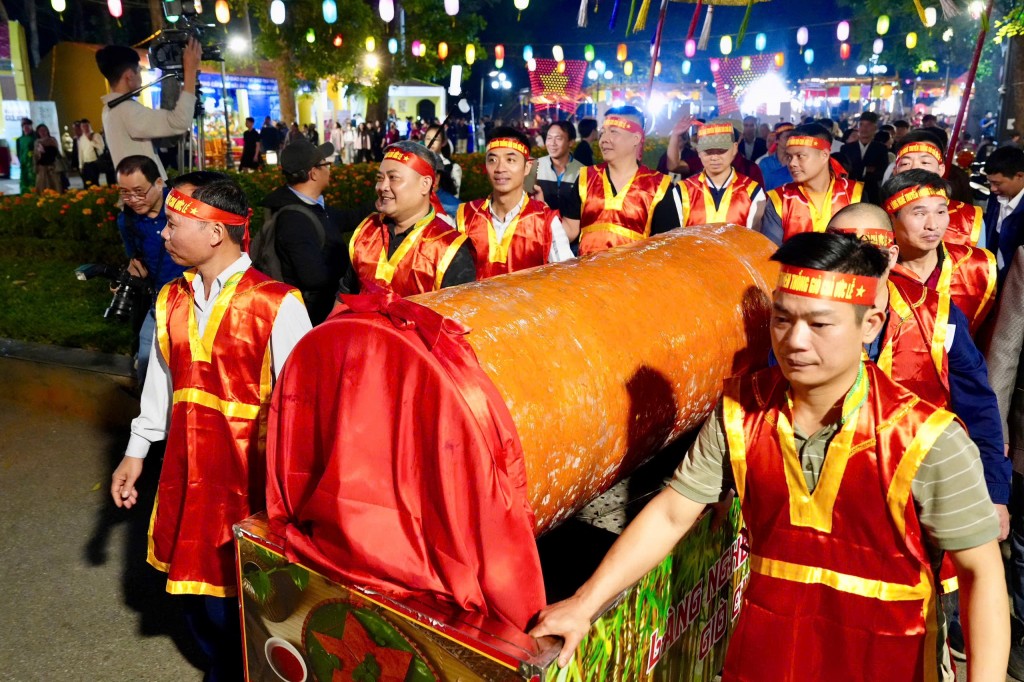
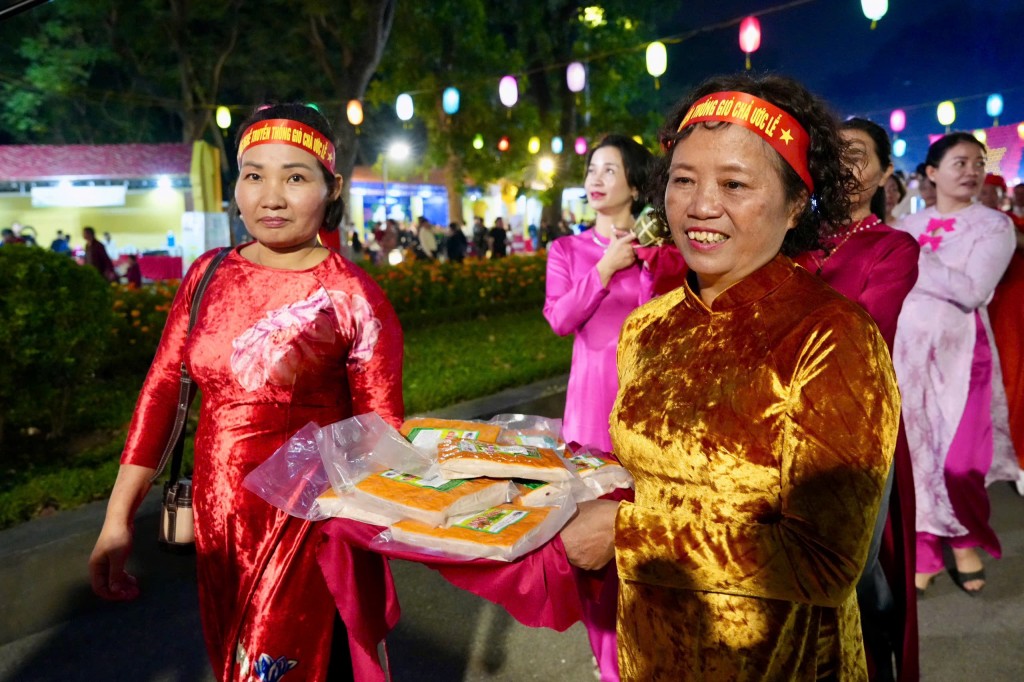
“Through performances, hands-on practice, and exchanges, the Festival not only helps preserve, safeguard, and transmit traditional culinary knowledge and skills, but also fosters the creation of innovative cultural products derived from cuisine, thereby positioning cuisine as a key resource driving the development of the Capital’s cultural industry,” the Deputy Director stressed.
The festival runs until December 21.