

On October 11, 2024, the Hanoi People’s Committee issued Plan No. 294/KH-UBND on preserving and promoting the value of cultural heritage in the city until 2025 and the following years.
The plan aims to preserve and promote the value of Hanoi’s heritage sites and iconic structures, rich in political, cultural, historical, and traditional significance, contributing to the development of the city’s culture and people for the sustainable growth of the nation. This initiative continues the efforts to effectively implement the objectives of Program No. 06-CTr/TU, dated March 17, 2021, by the Hanoi Party Committee and Plan No. 176/KH-UBND, dated July 30, 2021, by the Hanoi People’s Committee. These programs aim to raise awareness, foster proactive and flexible approaches in the decentralization and delegation of authority for managing, preserving, and promoting the value of historical and cultural relics and landmarks in Hanoi through 2025 and beyond.
The plan emphasizes the responsibilities of organizations and individuals tasked with safeguarding heritage sites and encourages oversight and monitoring by residents and communities where these sites are located. It also strengthens inspection and supervision efforts, addressing existing limitations in managing investments, restoration, and promoting the value of historical and cultural landmarks across the city.
Social resources are being mobilized to preserve cultural heritage, fostering public engagement across all social strata, particularly in protecting world cultural heritage sites, nationally significant landmarks, revolutionary relics, historical and architectural sites, and severely deteriorated monuments at risk of collapse. This preservation and restoration will strictly adhere to current legal regulations and city policies.
Additionally, the plan seeks to elevate community awareness and responsibility in managing, utilizing, and promoting the value of historical and cultural landmarks, as well as in preserving the distinctive cultural features that are emblematic of Hanoi’s identity amidst modern development.
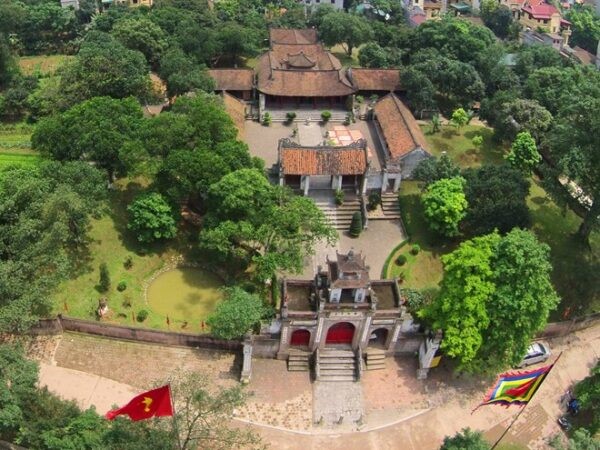
Co Loa Relic
The implementation of cultural heritage preservation and promotion in Hanoi through 2025 and beyond includes the following:
In terms of planning: The city will carry out the planning for the preservation, restoration, and rehabilitation of nationally significant monuments, groups of national relics, and city-level relics that have been officially recognized. These sites will be organized into clusters distributed within the same geographical area, reflecting close historical, cultural, scientific, and aesthetic connections. This includes four monuments managed directly by the city and 17 monuments or groups of monuments overseen by various districts and counties.
Regarding the restoration and enhancement process: A phased plan will be implemented to restore and preserve historical-cultural monuments, architecturally significant sites, scenic spots, and notable national and city-level heritage sites. For the 2021-2025 period, a total of 579 projects require investment for restoration and enhancement, with a total budget of VND 14,029 billion.
On exhibition enhancement and museum upgrades: Hanoi will undertake projects to refurbish exhibition content, upgrade equipment, and improve display systems at the Hanoi Museum. This includes maintaining and preserving exhibits, updating and replacing display equipment to attract more tourists, and conducting inventory and collection of artifacts, relics, and rare antiques.
On building and implementing cultural heritage protection programs: The city will conduct comprehensive reviews and inventories of heritage sites across Hanoi, removing sites that do not meet the required criteria and adding valuable sites in line with the Law on Cultural Heritage. This aims to ensure that heritage sites are managed in strict accordance with legal requirements, enhancing both protection and promotion of cultural heritage values.
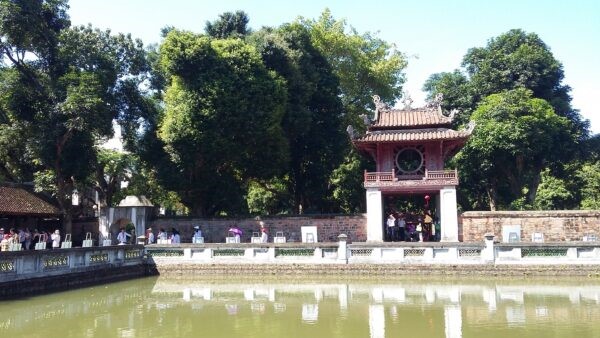
Temple of Literature
Regarding Implementing Information Technology in Cultural Heritage: The city will advance the use of scientific and technological applications in heritage management, including museums, monuments, intangible cultural heritage, and documentary heritage. The goal is to ensure that 100% of historical and cultural sites in Hanoi are digitized and accessible on digital platforms.
Regarding Enhancing the Quality of Cultural Heritage Human Resources: Training programs and workshops will be organized to improve skills, with training materials designed to be engaging, comprehensive, and up-to-date. This initiative aims to enhance the expertise and capability of staff in heritage preservation.
Regarding Promoting Cultural Heritage: Efforts will be made to promote Hanoi’s cultural heritage through exhibitions in domestic museums and selected Vietnamese cultural centers abroad. Additionally, information and promotional content will be shared widely via media platforms to increase public awareness and engagement with the city’s cultural heritage.
Solutions for Implementation:
Raising Awareness and Legal Knowledge on Cultural Heritage: Efforts will be strengthened to train and disseminate legal documents on protecting and promoting cultural heritage values across public media. Programs and interactive, socially engaging activities will be organized to support media outreach. Plans will be developed in coordination with press agencies, television, and radio stations to boost awareness efforts.
Promoting Socialization of Resources for Implementation: The plan calls for mobilizing support from organizations, individuals, and society for the protection and promotion of cultural heritage. Partnerships and collaborations with domestic and international organizations, entities, and businesses will be encouraged to support investment in cultural heritage preservation. International organizations will be invited to assist with heritage conservation projects.
Implementing a Resource Management and Monitoring Mechanism: Each year, the Department of Culture and Sports will coordinate with localities and relevant units to review and propose a list of heritage sites that need restoration. They will prepare plans and allocate budgets in line with the comprehensive plan, balancing budget capabilities and resource attraction. Inspections and audits will be increased to monitor the achievement of goals and project progress, involving community participation in oversight to prevent any signs of misappropriation or waste of funds.
Strengthening International Cooperation: Exchange of experts and training programs will be promoted, learning from countries experienced in heritage preservation and promotion.
The Hanoi People’s Committee assigns the Department of Culture and Sports to lead, coordinate with relevant departments, and work with district-level authorities to organize and oversee the implementation of data collection, project timelines, results, and the effectiveness of the plan. The department will also assess, select, and add heritage sites that need prioritized restoration, evaluating the urgency and condition of proposed sites for investment approval.
District-level authorities will follow legal procedures to invest in local heritage site restoration. They are responsible for using funds effectively and achieving objectives without waste. Regular checks will be conducted to monitor local implementation, addressing any instances of financial mismanagement.
Departments and relevant agencies will collaborate with the Department of Culture and Sports and district-level authorities to develop a unified plan. They will integrate the activities of this plan into other related programs and projects.
The Hanoi People’s Committee emphasizes ensuring practicality and effectiveness, aligning with socio-economic development goals in state management of heritage. Broad public participation will be encouraged, promoting Hanoi’s cultural heritage both domestically and internationally, especially in regions with historically significant sites that reflect the formation and growth of the capital. By preserving, restoring, and enhancing historical-cultural sites, these heritage locations will become valuable educational resources, contributing to local socio-economic growth and tourism development.
Duc Minh