

On August 9, 2024, the Ministry of Culture, Sports, and Tourism (MOCST) issued Decision No. 2328/QD-BVHTTDL to include “Pho Hanoi” in the list of National Intangible Cultural Heritage.
Speaking at the ceremony on the evening of November 29, Vice Chairwoman of the Hanoi People’s Committee, Vu Thu Ha, affirmed that “Pho Hanoi” has been honored by the MOCST as part of the National Intangible Cultural Heritage list. This recognition holds significant importance, serving as a source of pride for the community of practitioners and food enthusiasts. The designation also provides a critical legal foundation for implementing measures to preserve and promote the cultural values of “Pho Hanoi.”

Deputy Minister of Culture, Sports, and Tourism Ta Quang Dong presented the decision recognizing “Pho Hanoi” as a National Intangible Cultural Heritage to the city of Hanoi and the community of pho practitioners.
According to the proposal submitted by Hanoi, the bearers of this heritage are individuals and families directly engaged in the preparation and preservation of pho, possessing the knowledge, skills, techniques, and secrets passed down through generations. This continuity not only maintains the essence of the dish but also reinforces its distinct identity and recognized brand. Additionally, the community of pho consumers plays an integral role in this heritage.
Statistics from the Heritage Management Office under the Hanoi Department of Culture and Sports show that all 30 districts and towns across Hanoi have pho establishments. As of 2023, Hanoi is home to nearly 700 pho restaurants, primarily concentrated in districts such as Ba Dinh, Hoan Kiem, Cau Giay, Dong Da, Hai Ba Trung, Thanh Xuan, and Long Bien.
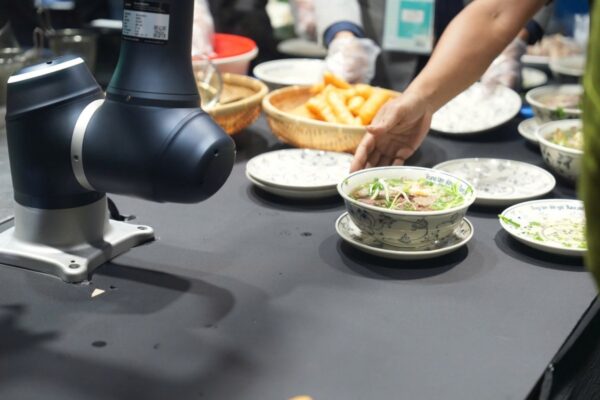
Pho has long been intertwined with the daily lives of Hanoians, becoming a staple dish deeply connected to the city’s culinary traditions and cultural identity.
Generational pho establishments – those with over two generations of operation – typically specialize in either beef or chicken pho and are predominantly located in districts such as Hoan Kiem, Ba Dinh, and Hai Ba Trung.
Historical records suggest that pho originated in Hanoi in the early 20th century. Between 1907 and 1910, pho was sold as street food by mobile vendors who roamed the streets of Hanoi with their distinctive cries to attract customers.
Pho Hanoi stands out for its simple yet rich sweetness derived from slow-cooked bones, the aroma of tender, perfectly cooked meat, the clarity of the broth, the thin and soft rice noodles, and the visually appealing garnish of fresh scallions and herbs. This reflects the meticulous and refined culinary preferences of Hanoians.
Culinary experts, researchers, and even writers and poets agree that pho is a special delicacy of Hanoi. While pho can be found in other regions, it is Hanoi that has perfected its flavor.
Today, pho has become a globally renowned dish, earning high praise from both domestic and international tourists. In the coming years, Hanoi plans to intensify efforts in promoting and preserving this cultural heritage by conducting research, collecting data, organizing cultural spaces for practicing pho heritage, and creating a “Pho Hanoi Map” to guide tourists to the city’s best pho restaurants.
Phuong Ngan