
On the afternoon of November 30, 2024, at Thong Nhat Park (Le Dai Hanh Ward, Hai Ba Trung District), the Hanoi Department of Culture and Sports organized a seminar titled “Developing Human Resources, Preserving, Promoting, and Protecting Traditional Villages in 2024.” Attendees included Ms. Tran Thi Van Anh, Deputy Director of the Hanoi Department of Culture and Sports; experts in cultural preservation and human resources development in the culinary field; artisans and representatives of traditional culinary villages across Hanoi; and well-loved artists such as Ms. Vu Thi Tuyet Nhung (journalist and researcher of Hanoi’s culture), Master Chef Pham Tuan Hai, Nguyen Thuong Quan (President of the Vietnam Culinary Vocational Training and Employment Association), artist Minh Vuong, People’s Artist Thu Huyen (Deputy Director of Hanoi Cheo Theater), Meritorious Artist Duc Hung (Deputy Director of Thang Long Water Puppet Theater), and Meritorious Artist Thu Huyen. Also in attendance were representatives from various departments, divisions, and units under the Hanoi Department of Culture and Sports, vocational training institutions, businesses, and a large number of local residents.
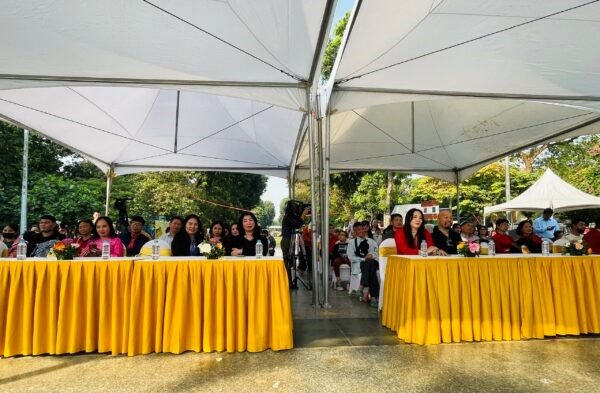
Overview of the Seminar
The seminar “Developing Human Resources, Preserving, Promoting, and Protecting Traditional Villages in 2024” was part of the Hanoi Culinary Culture Festival 2024. It served as a platform for delegates and guests to discuss, share experiences, and propose solutions for preserving and developing traditional culinary villages – an invaluable cultural heritage of Hanoi.
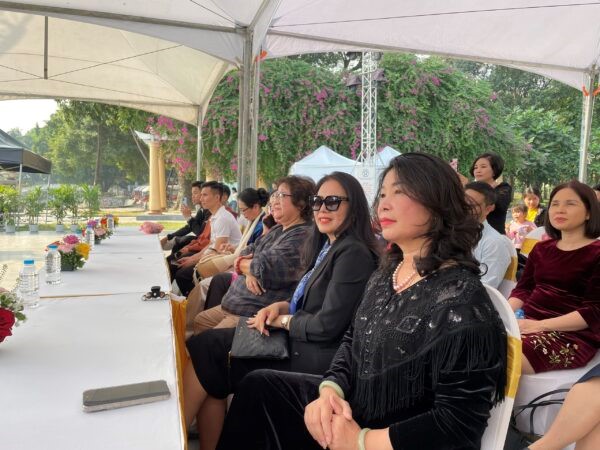
Deputy Director Tran Thi Van Anh and other delegates attending the seminar
The seminar consisted of two sessions: Session 1: From the Story of Hanoi Pho as an Intangible Cultural Heritage to Discussions on Hanoi’s Culinary Heritage. Session 2: Human Resources and Conditions for Promoting Hanoi’s Culinary Heritage Towards Cultural Industry Development.
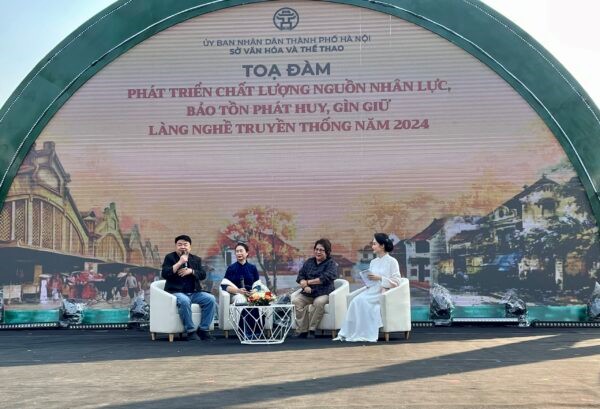
Guests at the Seminar (Session 1)
Session 1 featured panelists including journalist and Hanoi cultural researcher Vu Thi Tuyet Nhung, Chef Nguyen Thuong Quan (President of the Vietnam Culinary Vocational Training and Employment Association), and artist Minh Vuong. Through their insights, the audience gained fascinating information about pho, a unique culinary gift of Hanoi. The panelists unanimously agreed that pho is a source of pride for Hanoians. The recognition of Hanoi Pho as a National Intangible Cultural Heritage is a great honor, not only for the community that created and cherishes it but also for culinary enthusiasts. This recognition provides a crucial legal foundation for implementing measures to safeguard and promote the cultural value of Hanoi Pho. According to the panelists, over time, pho has undergone various adaptations in terms of cooking and serving styles to suit different regions, tastes, and preferences. The definition of a “delicious bowl of pho,” whether enjoyed with pickled chili vinegar, lime, kumquat, wide noodles, or thin noodles, largely depends on individual taste. What is crucial, however, is establishing a standard for traditional Hanoi pho, capturing the original essence of its delicate flavors. Cultural researchers, culinary experts, and artists should collaborate to preserve and spread the unique taste of traditional pho, ensuring its continued appeal and allure to diners near and far.
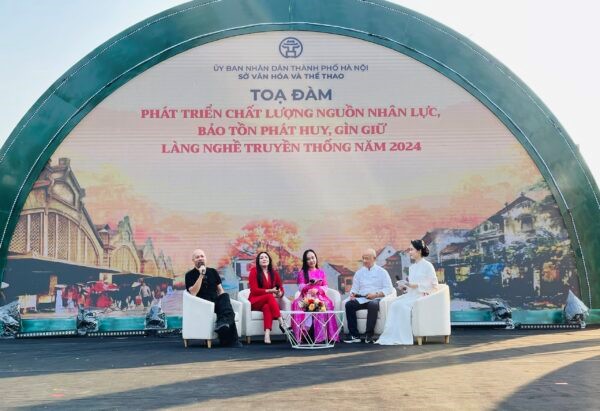
Guests at the Seminar (Session 2)
Session 2: “Human Resources and Culinary Heritage Development as a Cultural Industry”. Session 2 focused on human resources and the essential conditions for developing Hanoi’s culinary heritage into a cultural industry. Panelists included MasterChef Pham Tuan Hai, People’s Artist Thu Huyen (Deputy Director of Hanoi Cheo Theater), actress Thu Huyen of Hanoi Drama Theater, and Meritorious Artist Duc Hung (Deputy Director of Thang Long Water Puppet Theater). The speakers emphasized that integrating culinary arts into one of Hanoi’s 12 cultural industries is both a necessary and strategic move. Hanoi has abundant potential for leveraging its culinary heritage. However, the key question is how to develop the required human resources effectively. Schools can incorporate the subject “Traditional Dishes of Hanoi (Vietnam)” into cooking courses or extracurricular lessons using practical and engaging teaching methods. Families should maintain the tradition of communal family meals, where elders set an example and pass down cooking skills and knowledge of traditional dishes. These family gatherings also offer opportunities for hands-on culinary practice. By understanding how to cook, refine, and perfect traditional dishes, individuals can create culinary “brands” that reflect Hanoi’s rich gastronomy. A deep appreciation for Hanoi’s culinary heritage is essential for preserving its core values and promoting it as a cultural industry that integrates with global trends while retaining its unique identity.
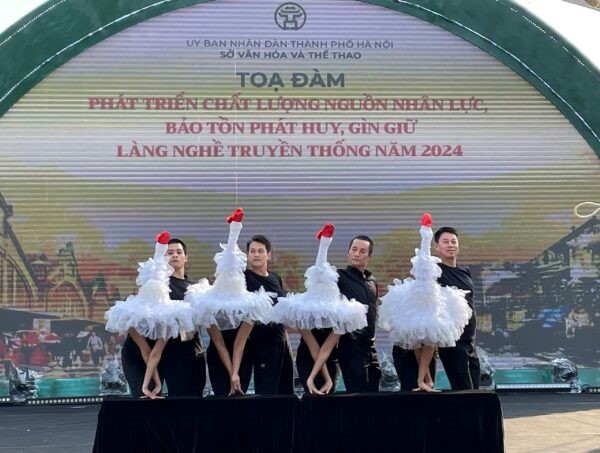
Artistic performances at the Seminar
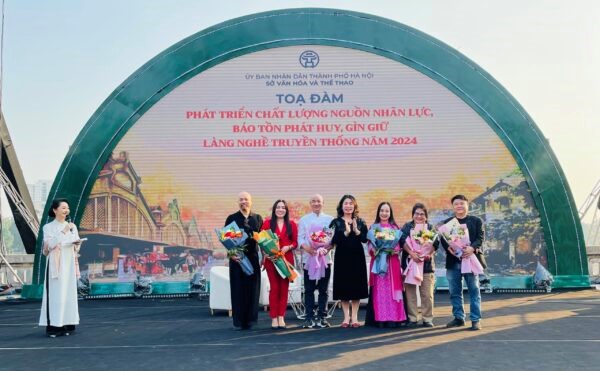
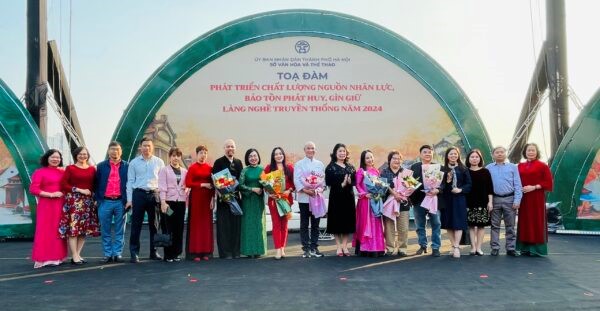
Delegates taking commemorative photos
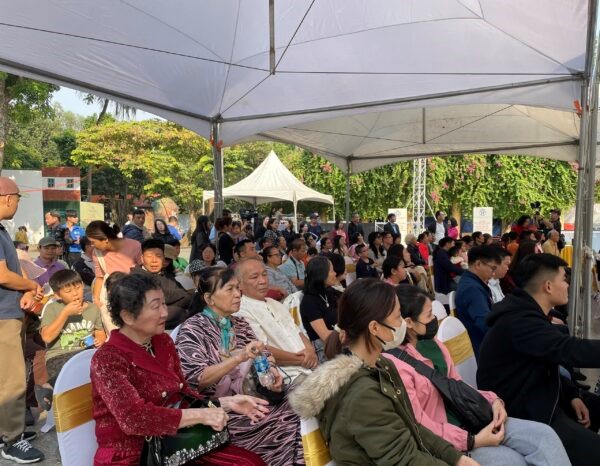
The Seminar attracted a lot of audiences.
Nguyen Tam