
Industrial heritage is an integral part of cultural heritage, carrying significant values and meanings in terms of history, society, science and technology, and aesthetics. Hanoi has 185 industrial structures, including factories and workshops dating from the French colonial period to the socialist construction period in Northern Vietnam. Of these, 95 structures remain, while 90 have been destroyed or repurposed. These industrial heritage sites are closely tied to the memories and daily lives of Hanoi’s residents. Therefore, the preservation and adaptive reuse of industrial heritage are both necessary and important.
The Hanoi Department of Culture and Sports has successfully organized the Hanoi Creative Design Festivals, through which it proposed and recommended to the city and relevant ministries and agencies ways to effectively and sustainably utilize and adapt industrial heritage sites across Hanoi. The festivals demonstrated that industrial heritage sites have attracted large numbers of visitors for tours and experiential activities: 200,000 visitors explored and experienced the Gia Lam Locomotive Factory; 30,000 visitors toured the Hang Dau Water Tower; 26,000 train tickets were sold for visitors experiencing the heritage railway line. These figures highlight the strong potential of industrial heritage to engage the public and contribute to cultural and tourism development.
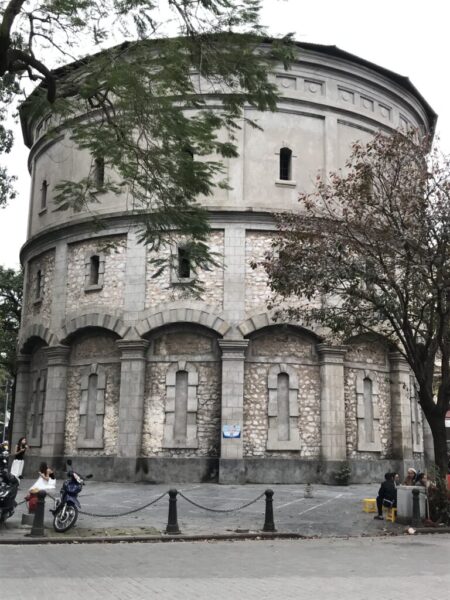
Hang Dau Water Tower
The planning, adaptive reuse, or transformation of industrial heritage sites into urban green spaces or public creative art hubs has become an urgent need today. Recognizing industrial heritage as a key resource for developing Hanoi’s cultural industries, the city plans to assess and classify different types of industrial heritage, forming strategies for both preservation and adaptive reuse. These sites could be converted into industrial culture museums, creative spaces, or integrated creative art complexes. Many old factories offer large areas, rich historical value, and prime locations within Hanoi’s urban core, such as the Thang Long Tobacco Factory, Sao Vang Rubber Factory, Dong Xuan Knitting Factory, and the Trade Union Printing House.
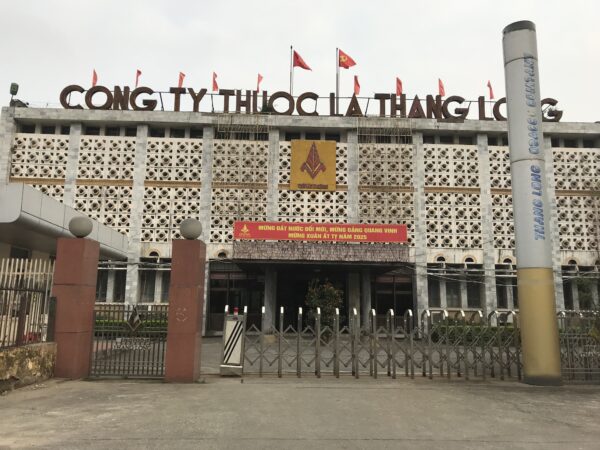
Thang Long Tobacco Factory
The Gia Lam Locomotive Factory could serve as a model for this approach. Built during the French colonial period (1905), the factory features attractive design, solid construction, and durable materials. Its location is highly strategic close to Chuong Duong Bridge, Long Bien Bridge, and Hanoi’s Old Quarter.
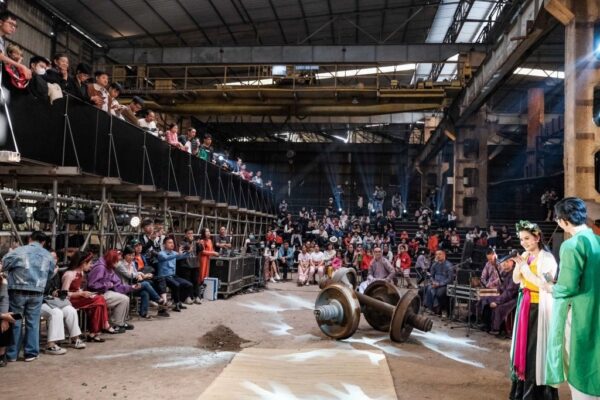
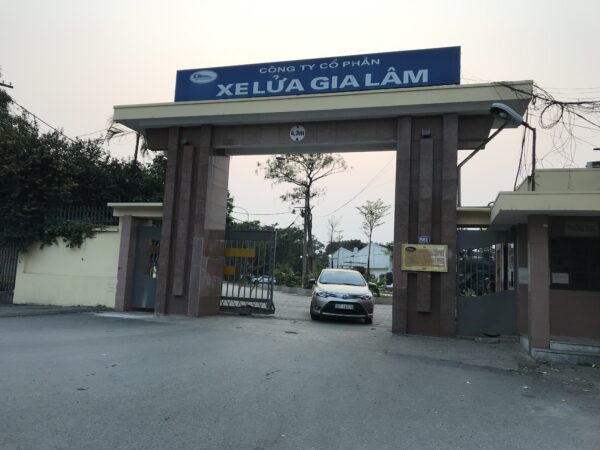
Creative Spaces – Gia Lam Locomotive Factory
Hanoi has successfully converted several old factories into creative spaces, such as: Complex 01 on Tay Son Street, a community hub rebuilt on the site of the former Trade Union Printing House; 282 Workshop on Phu Vien Street, established and operating in a former helmet manufacturing factory in Long Bien District.
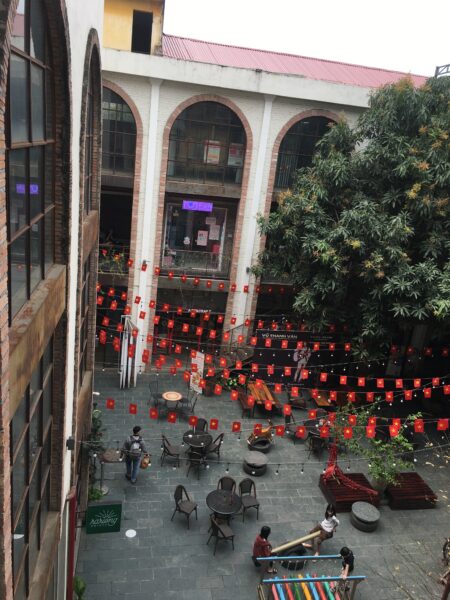
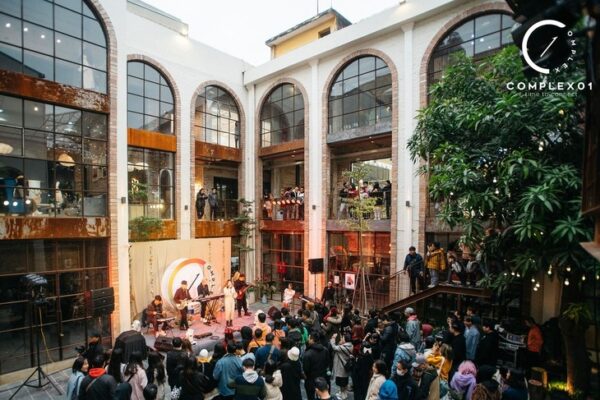
Complex 01 on Tay Son Street
Industrial facilities are valuable assets; when preserved and effectively utilized, they not only meet the cultural needs of the public but also provide infrastructure for the creative cultural industry, expanding cultural spaces and art centers. Especially in the context of a rapidly developing urban environment, industrial heritage represents an economic resource, a subject for preservation, and an opportunity to promote the development of the cultural industry, in line with Resolution No. 09-NQ/TU of the Hanoi Party Committee.
Quynh Anh