
Hanoi possesses an invaluable and immensely rich and diverse treasure of heritage, with 6,489 relics, including 3 UNESCO-recognized intangible cultural heritages of humanity and 1 world documentary heritage. The city also has 1,350 craft villages and villages with traditional crafts that embody distinctive cultural values and hold high economic potential.
Heritage – a rich source of resources
Hanoi leads the nation in the number of cultural heritages. This is a rich resource for socio-economic development in general and for the cultural industries in particular.
Hanoi is home to many famous historical sites and cultural works that have long attracted both domestic and international visitors, such as the Temple of Literature, One Pillar Pagoda, Tran Quoc Pagoda, Quan Su Pagoda, Voi Phuc Temple, Bach Ma Temple, Quan Thanh Temple, Turtle Tower – Ngoc Son Temple, Huong Pagoda…
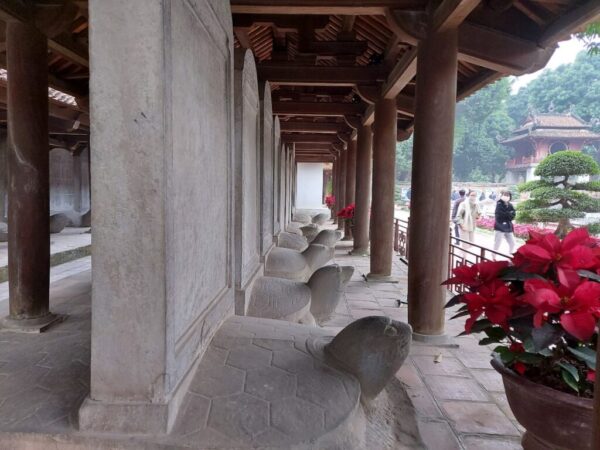
The 82 Doctoral Steles at the Temple of Literature were recognized by UNESCO as a World Documentary Heritage in the Asia-Pacific region (2010) and globally (2011), and by the Government as a National Treasure (2015).
Hanoi also boasts a system of museums and theaters that are well regarded by domestic and foreign visitors, such as the Vietnam National Museum of History, Vietnam Museum of Ethnology, Ho Chi Minh Museum, Vietnam Fine Arts Museum, Hanoi Museum, and the Hanoi Opera House. Particularly, for many years, the Old Quarter has been likened to a “living museum” reflecting the formation and development of Thang Long – Hanoi through the vicissitudes of history…

Giong Festival at Soc Temple – preserving and promoting many traditional cultural beauties
Associated with the system of relics are traditional festivals of various scales and forms, contributing to honoring the unique cultural values of the capital. Prominent among them are the Giong Festivals at Soc Temple and Phu Dong Temple (recognized by UNESCO as an intangible cultural heritage of humanity in 2010), Hai Ba Trung Temple Festival (Me Linh District), Co Loa Festival (Dong Anh District), and Huong Pagoda Festival (My Duc District).
At the same time, Hanoi has 1,350 craft villages and villages with crafts, creating distinctive craft village cultural spaces. Many traditional craft villages boast long-standing craftsmanship and exquisite, unique products, such as Bat Trang ceramics, Van Phuc silk, Hang Trong paintings, Ngu Xa bronze casting, and Ha Thai lacquerware, along with renowned flower and ornamental plant villages such as Nhat Tan, Quang Ba, Nghi Tam, Tay Tuu, and Me Linh…
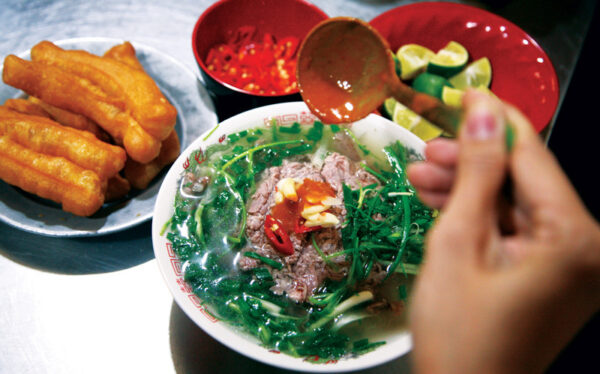
Hanoi Pho – one of the culinary quintessences of the capital
In terms of cuisine, Hanoi has a distinctive culinary culture with famous dishes such as Vong Village green rice, Hanoi pho, bun cha, bun thang, snail vermicelli, Thanh Tri steamed rolls, La Vong grilled fish, and West Lake shrimp cakes.
Hanoi also has many traditional performing arts and folk art forms, some of which have been recognized as world cultural heritages, such as ca tru, xam singing, and hat van, all of which create a strong appeal for both domestic and international tourists.
Promoting the value of heritage
All these cultural heritages have become valuable humanistic resources and one of the comparative advantages for the capital to develop cultural industries, especially cultural tourism, performing arts, handicrafts, and design.
The city has consistently adhered to the principle of developing cultural industries in harmony with preservation and development, fully leveraging the potentials, strengths, and traditional cultural values of the thousand-year-old capital, Hanoi. At the same time, it has vigorously implemented several projects and plans to preserve and promote the value of world heritages, national special relics, and national relics, while constructing new cultural works to create new cultural symbols for the capital with potential for cultural industry development.
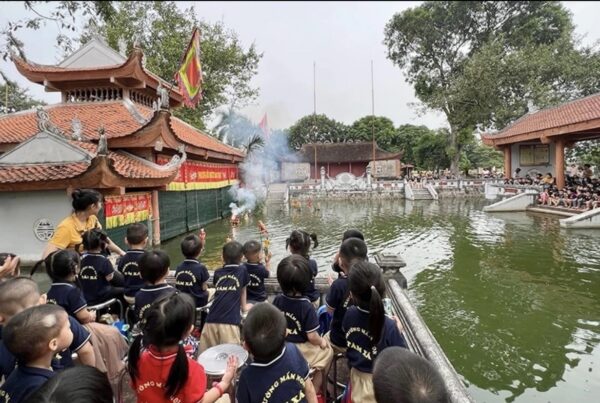
Dao Thuc Water Puppetry – a distinctive cultural activity of Dao Thuc Village that attracts visitors from near and far
State management of culture and festivals has been strengthened, contributing to improving the quality of cultural tourism services. Hanoi is one of the first localities nationwide to complete a comprehensive inventory of relics and effectively implement cultural heritage education. The city successfully mobilizes hundreds of billions of dong each year for the restoration, embellishment, and promotion of heritage values, contributing to sustainable tourism development. The city has launched numerous projects to develop infrastructure, cultural tourism products, performing arts, handicrafts, and creative design. It has also implemented large-scale international projects, such as the National Exhibition Center (Dong Anh District), Kim Quy Park (Dong Anh District); effectively developed performance and street food spaces in Tay Ho District (Trinh Cong Son pedestrian street), the cultural site for enjoying lotus tea in Quang An; continued building the cultural tourism site “Vong Thi Communal House and Pagoda Relic Cluster and dó paper-making craft village model”; organized tourism promotion activities for traditional craft products from Ha Thai lacquer village, Hong Van ornamental creature village (Thuong Tin District), Bat Trang ceramic village (Gia Lam District), and Van Phuc silk village (Ha Dong District). Several craft villages have been comprehensively invested in to become cultural tourism destinations meeting national and international standards. Recognizing cultural products as the most sustainable products, Hanoi has pursued a policy of methodical investment in cultural products at heritage sites, both in design and quality, bearing the identity of the capital.
In addition, many agencies and units across the city have continuously innovated their approaches to heritage exploitation, turning heritage into a resource for socio-economic development, especially in cultural tourism and handicrafts. Typical examples include the Hoa Lo Prison Relic Management Board, which continues to introduce a new cultural product titled “Sacred Night,” honoring young heroes through real historical stories at Hoa Lo Prison; the Thang Long – Hanoi Heritage Conservation Center, which has launched the nighttime tour “Decoding Thang Long Imperial Citadel” exclusively for foreign visitors; the Temple of Literature – Quoc Tu Giam Relic Site, which has introduced a 3D mapping nighttime tour titled “The Quintessence of Learning” and a 3D mapping film “Stone Records of Fame”; and Bat Trang Pottery Village, which has inaugurated and operated the Vietnam Craft Village Essence Center…
Turning heritage into a development resource
According to experts, no matter how valuable, heritage is still only a “resource.” To create appeal and attract tourists, it is necessary to turn that heritage value into products. However, there remain many challenges and difficulties in exploiting the economic value of heritage. To address this issue, Hanoi needs a higher-quality workforce for the cultural industry sector. This workforce must have cultural understanding, be capable of planning long-term programs, and create profound, distinctive products that sustainably promote and honor heritage. Craft villages need to improve their tourism expertise, innovate in design, and “accelerate” digital transformation, especially in product promotion and tourism attraction. Authorities should strengthen and expand tourism routes that exploit heritage values, such as cultural and historical heritage tourism; craft village, craft street, festival, and culinary tourism; Hanoi food streets; ancient houses; and traditional family rituals in Nghi Tam – Quang Ba. Visitors can also experience traditional art forms such as ca tru, water puppetry, and hau dong (spirit invocation singing). The city should focus on studying and piloting public-private partnership models in cultural heritage preservation associated with sustainable tourism development, as well as increasing investment in heritage conservation and promotion activities…
As the place that converges and crystallizes the rich cultural heritages of the Vietnamese nation, Hanoi has been implementing many solutions to continue promoting the value of its heritages in developing cultural industries, making important contributions to the socio-economic development of the capital.
Duc Minh