
According to the report presented at the conference, despite numerous challenges over the past decade, Hanoi has made significant strides in implementing Resolution No. 33-NQ/TW, achieving positive transformations and notable outcomes.
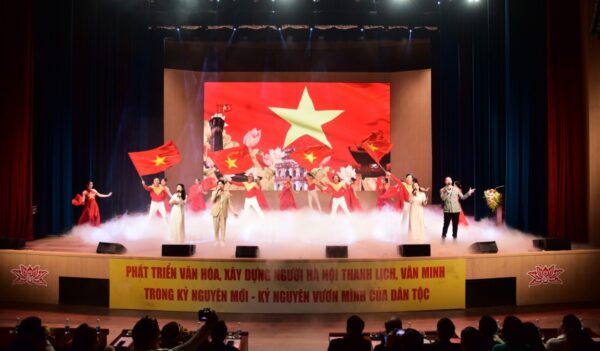
The Hanoi Party Committee convenes a conference to review 10 years of implementing Resolution No. 33-NQ/TW.
Specifically, the Hanoi Party Committee has continued to thoroughly internalize and creatively apply the central government’s directives and viewpoints on building and developing Vietnamese culture and people. By building on achievements gained over the 15 years following the implementation of Resolution No. 5 of the 8th Central Committee, the city has demonstrated innovative and effective approaches tailored to its unique circumstances, progressively meeting contemporary demands and societal trends.
Hanoi has translated these directives into practical goals, targets, tasks, and solutions. Notably, the city has prioritized strategies and long-term cultural development visions aligned with modern trends, such as promoting cultural industries and participating in UNESCO’s Creative Cities Network.
Leadership and direction have been consistently implemented across city levels, linked to innovations in governance methods, enhanced effectiveness and efficiency of the political system, capacity building for cultural personnel, and resource allocation for cultural development. As a result, awareness, consciousness, and responsibility among most officials, Party members, and residents regarding the role and importance of cultural development and building a civilized, elegant Hanoi identity have been significantly heightened. Hanoi’s efforts to cultivate and promote cultural values and human development have advanced comprehensively, exceeding targets in multiple areas.
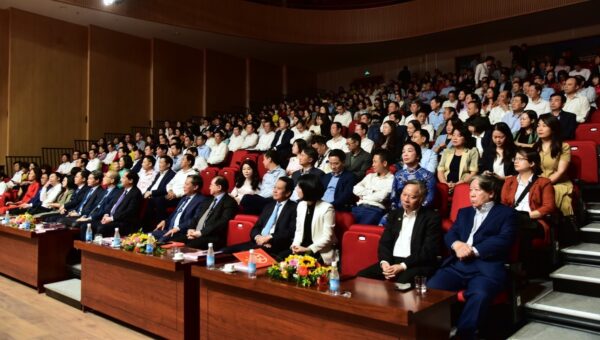
Delegates attending the conference
The Hanoi Party Committee issued Directive No. 11-CT/TU on October 3, 2012 (15th Term) to further promote a civilized lifestyle for weddings in the city and Directive No. 30-CT/TU on February 19, 2024, strengthening Party leadership in cultivating an elegant and civilized image for Hanoi residents. Additional initiatives include regulations on the conduct of public officials in municipal agencies, public codes of conduct, educational materials promoting elegant and civilized behavior for students, and courses on local cultural and historical heritage. These efforts have contributed to fostering cultural practices across families, villages, neighborhoods, residential areas, and cultural units.
Efforts in planning and state management of cultural activities have gradually become more structured and efficient. The institutionalization of regulations has provided a necessary legal framework to support cultural activities while attracting social resources to promote grassroots cultural life.
Public cultural movements tied to local political tasks and the new rural development program have attracted widespread public participation, leading to numerous cultural and sports models at the grassroots level.
Preserving and promoting Hanoi’s cultural heritage remains a priority. Significant investments have been made to restore and highlight cultural sites, contributing to socio-economic development and enhancing the spiritual life of the city’s residents. Hanoi leads the nation in conducting comprehensive inventories and safeguarding intangible cultural heritage, emphasizing the city’s thousand-year-old cultural identity. The strengthening and refinement of cultural institutions and policies continue to receive focused attention.
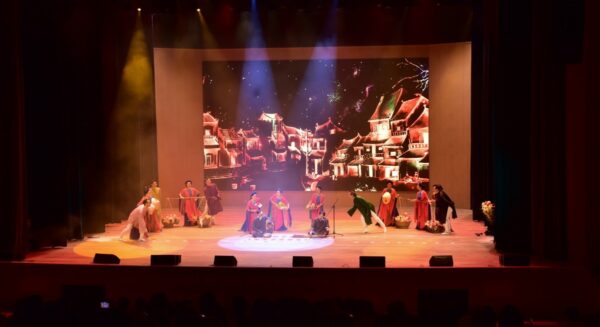
Artistic performance during the conference
The quality of cultural and artistic activities has seen continuous innovation and improvement, with a growing diversity of cultural, literary, and artistic products. Hanoi, as the lead coordinating body, successfully organized numerous significant political and cultural events, leaving a lasting impression on residents nationwide and gaining admiration from international audiences.
Cultural exchange and cooperation between Hanoi and other provinces and international cities have seen positive developments. Public communication and promotion of Hanoi’s history and culture through external information platforms have undergone substantial innovation, yielding effective results.
The city has prioritized strengthening its information network to meet the growing demand for information across all social strata. Information dissemination is ensured through various media forms, including press outlets, radio stations, online portals, publications, and promotional materials.
Efforts to combat incorrect viewpoints in the fields of ideology and culture have been executed comprehensively and consistently, with particular attention to the social media environment. Timely actions have been taken to address complex issues, earning high praise from central authorities.
Particularly noteworthy is the city’s ongoing support and encouragement for artists, intellectuals, and the broader community to contribute to cultural development. The city has fostered environments for positive cultural trends to emerge and grow within the community, enriching the spirit of humanity, compassion, tolerance, and social responsibility among Hanoi’s citizens.
The report also highlighted challenges and limitations, identifying seven lessons learned from the implementation process. It proposed several key tasks and solutions to ensure continued effective implementation of the resolution in the coming period.
Hoang Phuc